The Secret Skill Every Dancer Needs on the Floor
When you watch a skilled dancer glide across the floor, spin with precision, or land a jump without losing balance, it looks almost magical. But behind the grace is a hidden ability that most people don’t even realize they use every day: proprioception.
This complex term, often called the “sixth sense,” is the body’s ability to know where it is in space without looking. It allows you to walk without staring at your feet, catch yourself if you start to fall, or clap your hands together without watching them. For dancers, proprioception is nothing less than a superpower.
What is Proprioception?
Proprioception comes from the Latin words proprius (meaning “one’s own”) and capio (meaning “to grasp”). In simple terms, it is your body’s internal GPS system — the awareness of your position, movement, and balance.
This sense is controlled by specialized receptors in your muscles, tendons, and joints that constantly send signals to your brain. These signals tell you where your limbs are, how much force you’re using, and what adjustments need to be made to keep you balanced.
For example:
- You can close your eyes and still touch your nose.
- A basketball player can dribble without looking at the ball.
- A dancer can spin three times and land smoothly without crashing into the ground.
That’s proprioception at work.
Why Proprioception Matters on the Dance Floor
Dancing is one of the best demonstrations of proprioception in action. Here’s why it’s essential:
1. Balance and Stability
Whether you’re holding a pose in ballet, popping in hip-hop, or twirling in salsa, proprioception keeps you stable. Without it, your movements would feel clumsy and uncontrolled.
2. Fluid Transitions
Proprioception allows dancers to move seamlessly from one step to another. Your body senses where it is mid-motion, which prevents awkward pauses and creates smooth transitions.
3. Spatial Awareness
On a crowded dance floor, you need to know where other dancers are while staying aware of your own position. Proprioception gives you that spatial awareness, helping you avoid collisions while keeping your performance sharp.
4. Rhythm and Timing
Good proprioception works hand in hand with musical rhythm. It lets your body “lock in” with the beat, making every move intentional rather than accidental.
5. Injury Prevention
Proprioception protects dancers from injury by letting the body respond instantly to unexpected shifts. For example, if you land a jump slightly off balance, proprioceptive signals help your muscles correct before you twist an ankle.
How to Improve Proprioception for Dance
Like any skill, proprioception can be trained. Dancers who develop strong proprioceptive ability are not only more graceful but also more resilient to mistakes and injuries.
Exercises to Enhance Proprioception:
- Balance Drills: Stand on one leg with your eyes closed for 30 seconds. This sharpens your body’s awareness without visual cues.
- Mirror-Free Dancing: Practice choreography without mirrors. This forces your brain and body to rely on proprioception rather than sight.
- Slow-Motion Moves: Perform routines in slow motion, paying attention to every shift of weight and position.
- Resistance Band Training: Using bands increases tension on your muscles, training receptors to adjust under pressure.
- Floor Awareness: Practice different textures (hardwood, mats, even grass) to challenge your stability and control.
Proprioception and Dance Styles
Different dance genres rely on proprioception in unique ways:
- Ballet: Demands exact awareness of limb placement and alignment.
- Hip-Hop: Requires explosive, isolated movements — proprioception makes these sharp and precise.
- Ballroom: Relies on spatial awareness of both partners to avoid stepping on each other.
- Contemporary: Uses floor work and fluid transitions, where proprioception prevents awkward falls.
Across all styles, dancers with stronger proprioceptive skills appear more confident, polished, and expressive.
Beyond the Dance Floor
Proprioception isn’t just for dancers — athletes, martial artists, and even everyday people rely on it constantly. It improves coordination, reduces injuries, and strengthens the mind-body connection. For dancers, though, it adds an artistic dimension: the ability to express music through movement without hesitation.
Why Proprioception is Called the Dancer’s Superpower
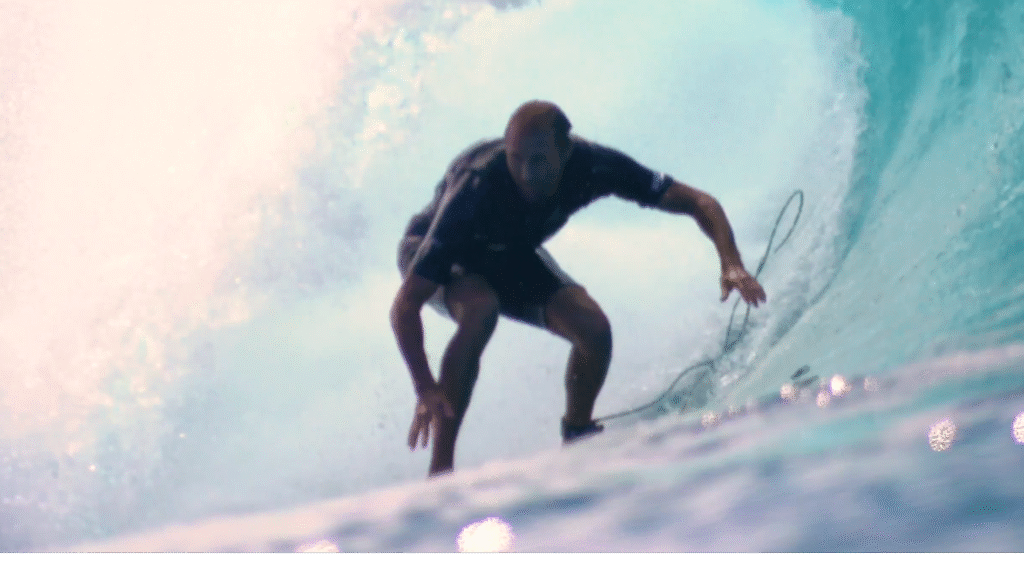
Imagine spinning in a crowded club or executing a complicated routine on stage. Your eyes can’t track every limb, and your brain can’t consciously process each movement fast enough. That’s where proprioception steps in, guiding you with subconscious precision.
It’s what separates an average dancer from an extraordinary one — the difference between simply memorizing steps and embodying rhythm in your entire being.
What is proprioception? It’s not just a medical term — it’s the invisible force that makes movement possible. On the dance floor, proprioception is the bridge between mind, body, and music. It allows dancers to balance, transition, and flow with confidence, while also staying safe from injury.
By training proprioception, dancers can unlock greater control, deeper rhythm, and a freer connection to their art. Just like rhythm, style, or expression, proprioception is an essential ingredient in becoming not just a dancer — but a storyteller through motion.